![T4 – LEVOTIRON (LEVOTHYROXINE SODIUM ) 150 MCG / PER TAB [ 50 TABLETS ] – ABDI IBRAHIM](/extrabox/img/product/protected_030425030358T4LEVOTIRONLEVOTHYROXINESODIUM150MCGPERTAB50TABLETSABDIIBRAHIM510x510.webp)
![T3 TIROMEL ( LIOTHYRONINE SODIUM ) 25MCG PER TABLET [ 100 TABLETS BOX ] – ABDI IBRAHIM PHARMA](/extrabox/img/product/protected_030425030343T3TIROMELLIOTHYRONINESODIUM25MCGPERTABLET100TABLETSBOXABDIIBRAHIMPHARMA510x510.webp)
![LEVOTIRON (LEVOTIROKSIN SODYUM) 100 MCG / PER TAB [ 50 TABLETS ] – ABDI IBRAHIM](/extrabox/img/product/protected_030425030353WhatsAppImage20241121at2.webp)
![BITIRON – [ T3 -LIOTHYRONINE 12.5MCG / T4 -THYROXINE 50MCG MIX ] – ABDIIBRAHIM PHARMA [ 100 TABLETS ]](/extrabox/img/product/protected_030425030308Bitiron2510x510.webp)
![TADALAFIL 40MG WITH DAPOXETINE 60MG [ EXTRA SUPER TADARISE ] 10 TABLET PACK – SUNRISE REMEDIES PVT LTD](/extrabox/img/product/protected_030725030337WhatsAppImage20250119at7.webp)


![AMALAKI (IMMUNITY WELLNESS ) AMLA [ PROMOTES HEALTH ] – 60 NATURAL HERBAL TABLETS – HIMALAYA](/extrabox/img/product/protected_031125120305AMALAKIIMMUNITYWELLNESSAMLAPROMOTESHEALTH60NATURALHERBALTABLETSHIMALAYA.webp)
![LIVER KIDNEY CARE (BHUMYAMALAKI WHOLE HERB)- [60 VEG CAPSULES] – ORGANIC INDIA](/extrabox/img/product/protected_031125010319WhatsAppImage20250220at7.webp)


The Complete Guide to Anabolic Steroids Education and Risks: What Every Athlete Must Know in 2026
In the dim light of a crowded gym locker room, a 24-year-old amateur bodybuilder named Mark holds a vial of clear liq...

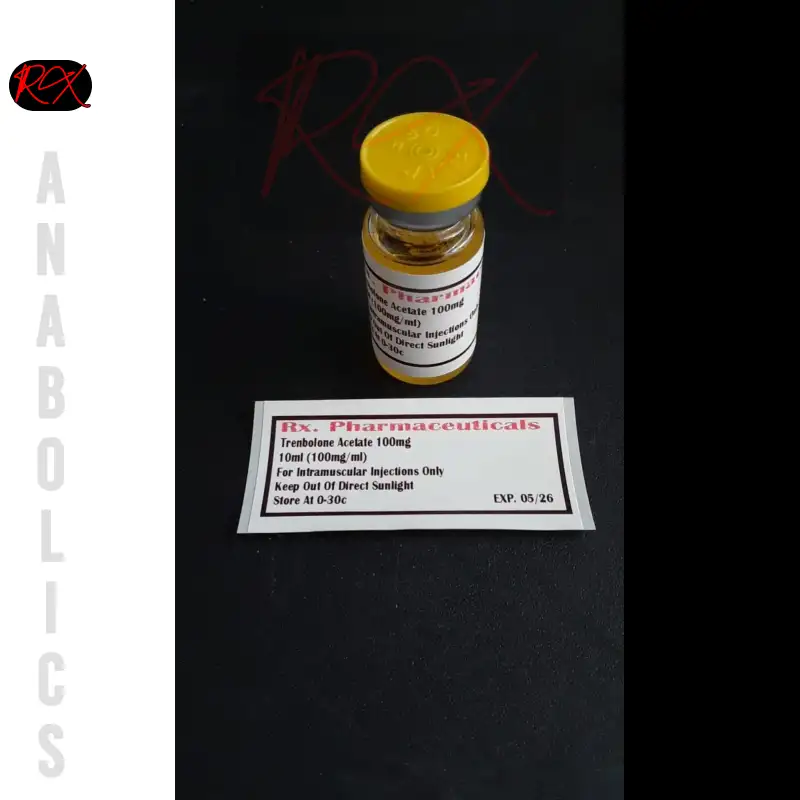
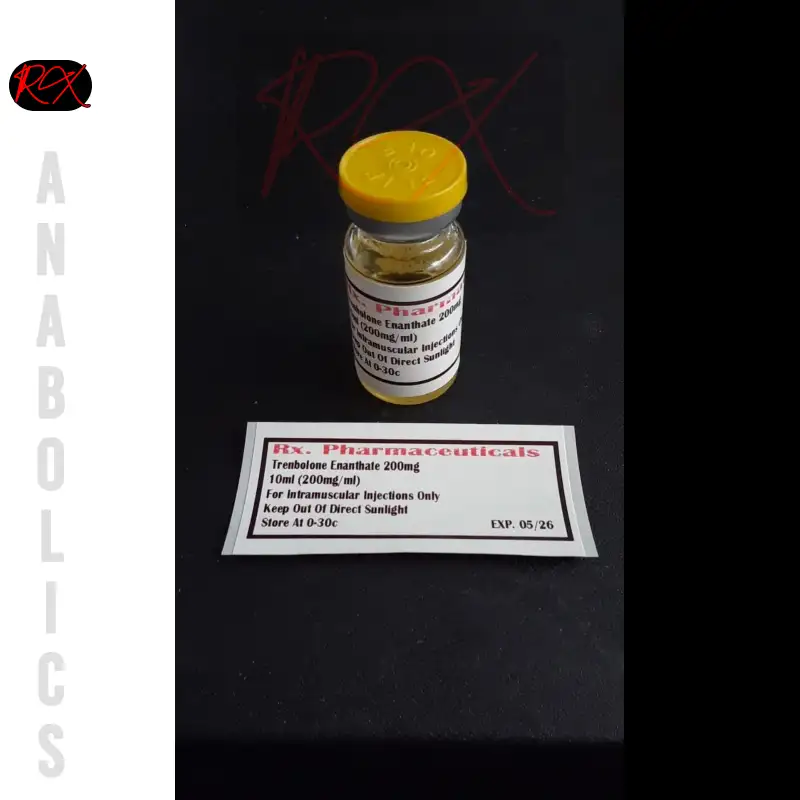

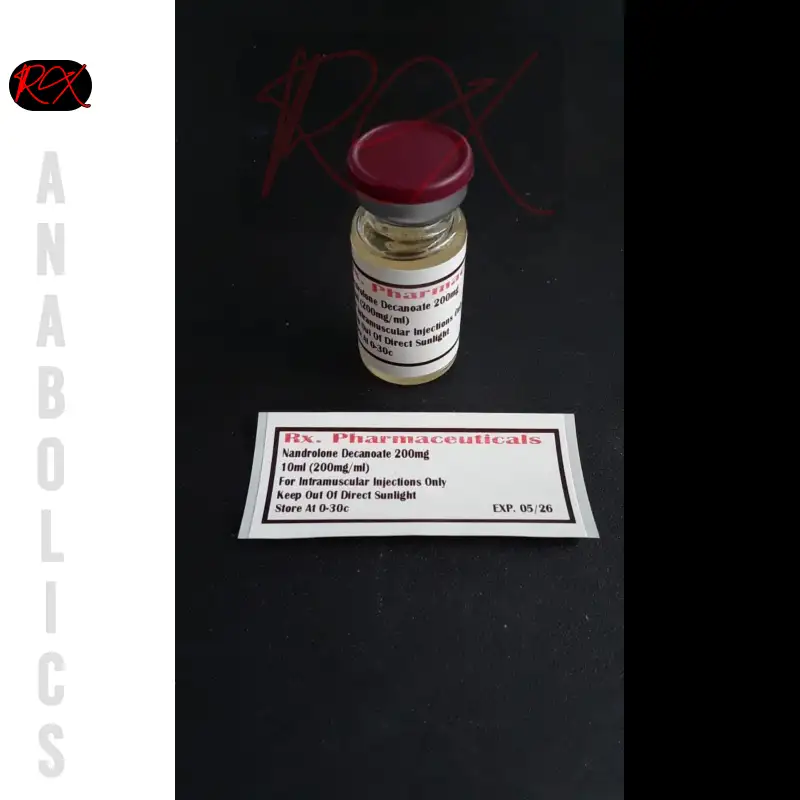
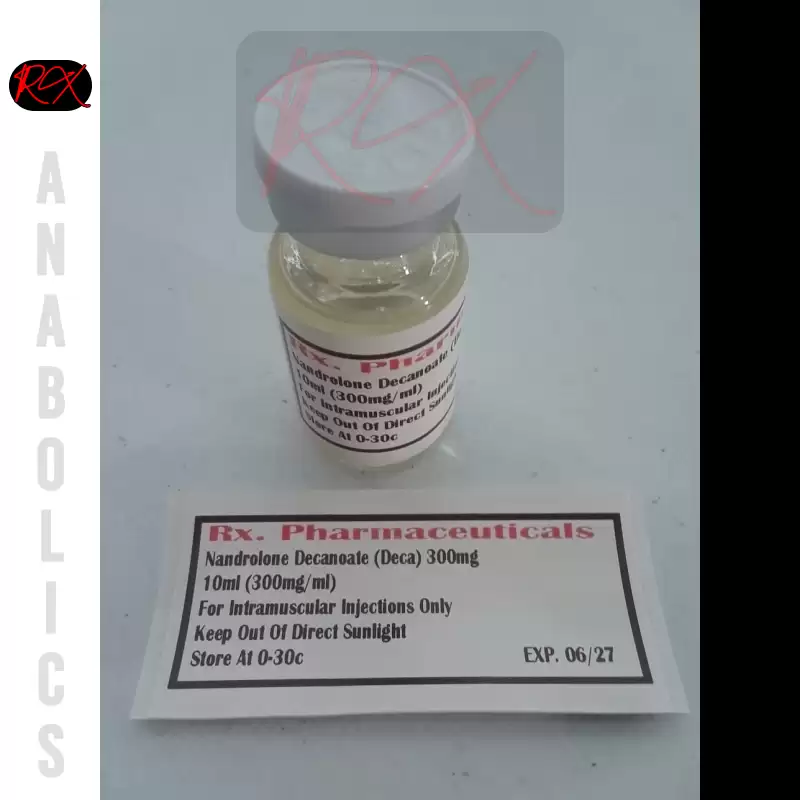

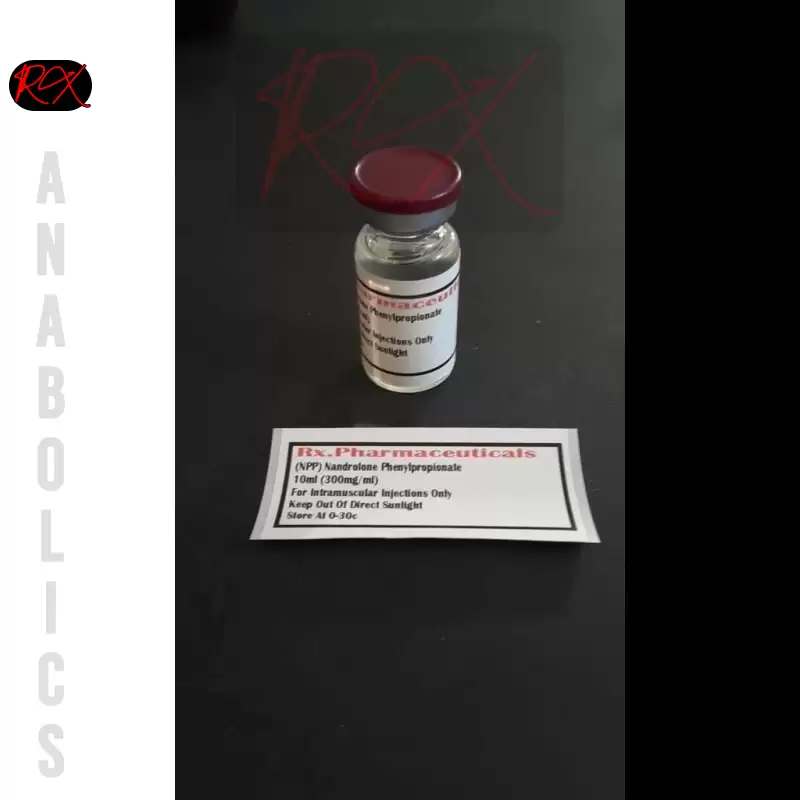
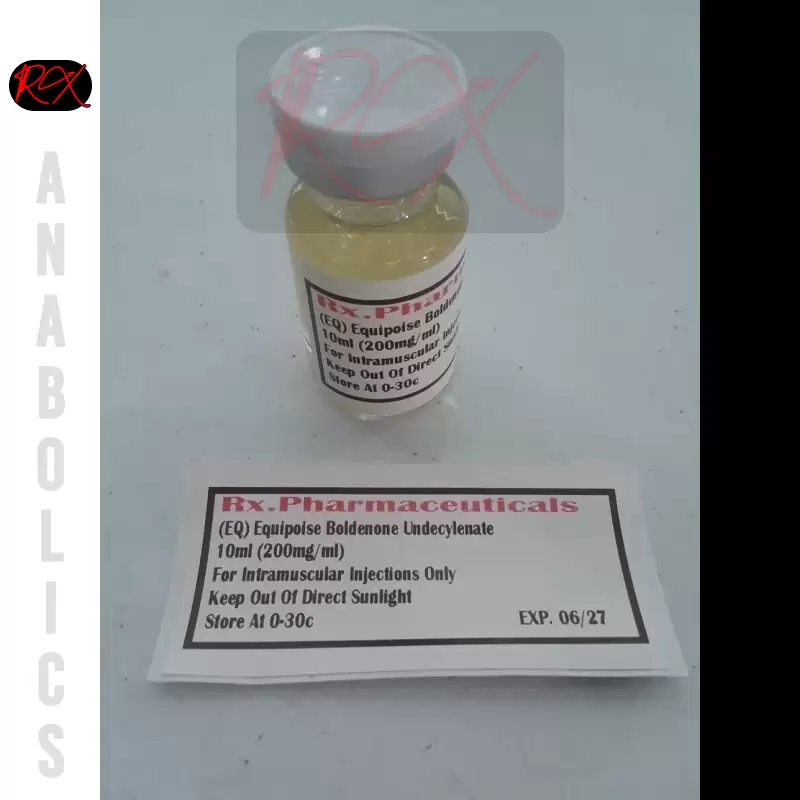





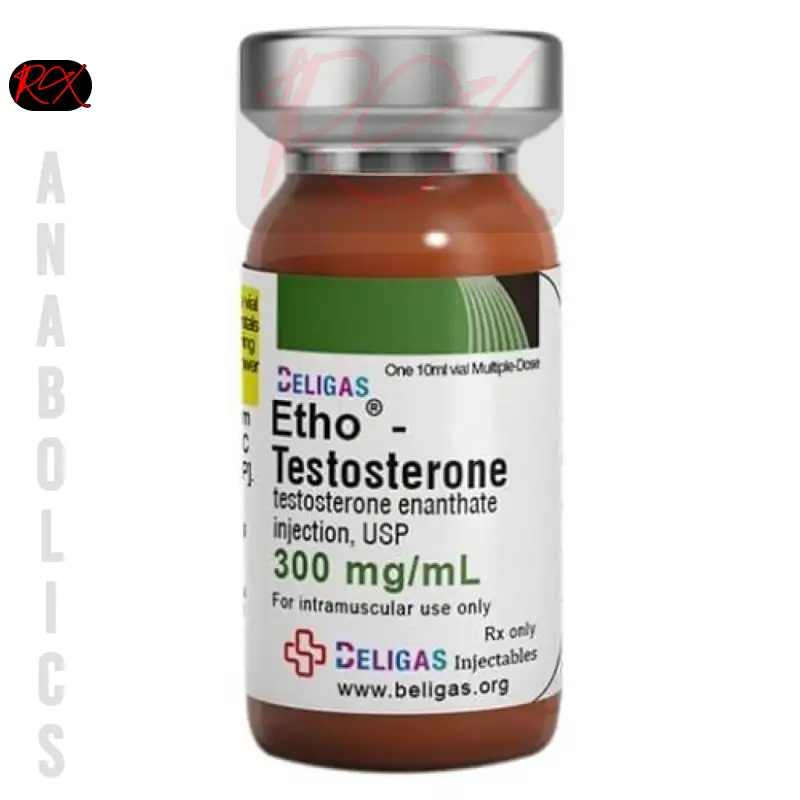
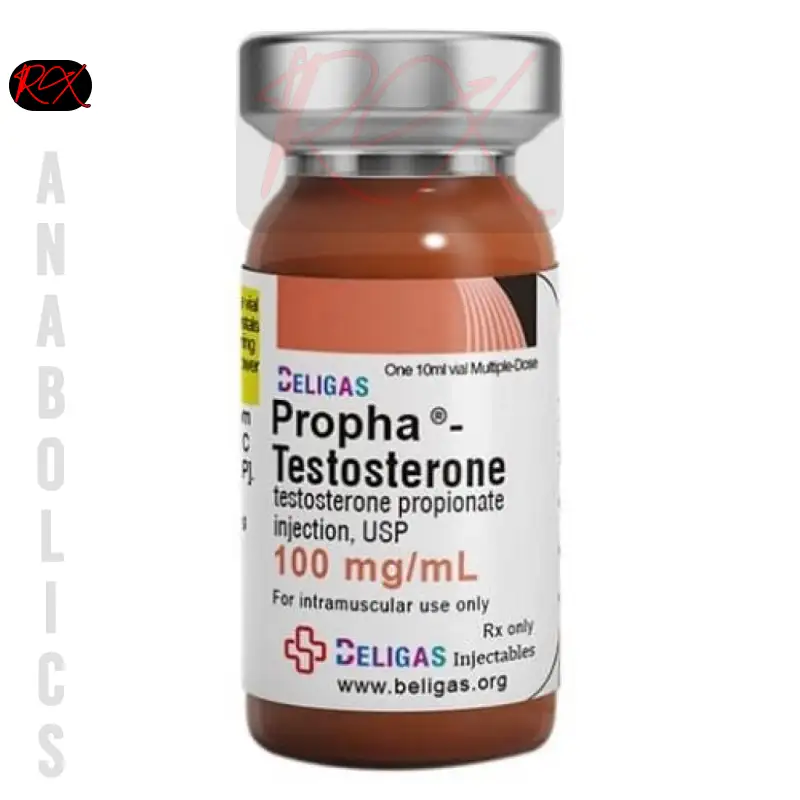
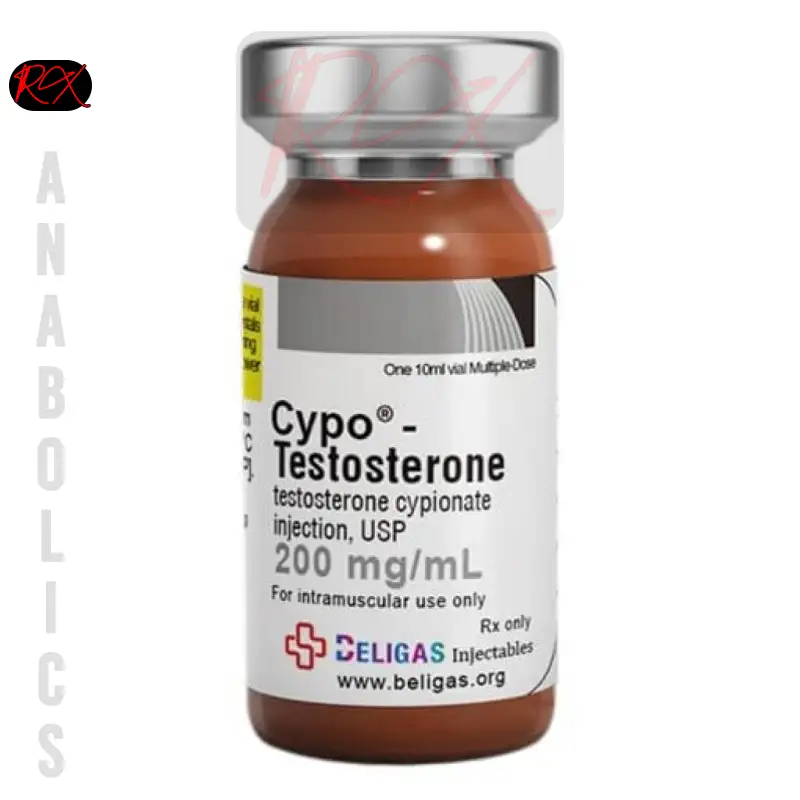
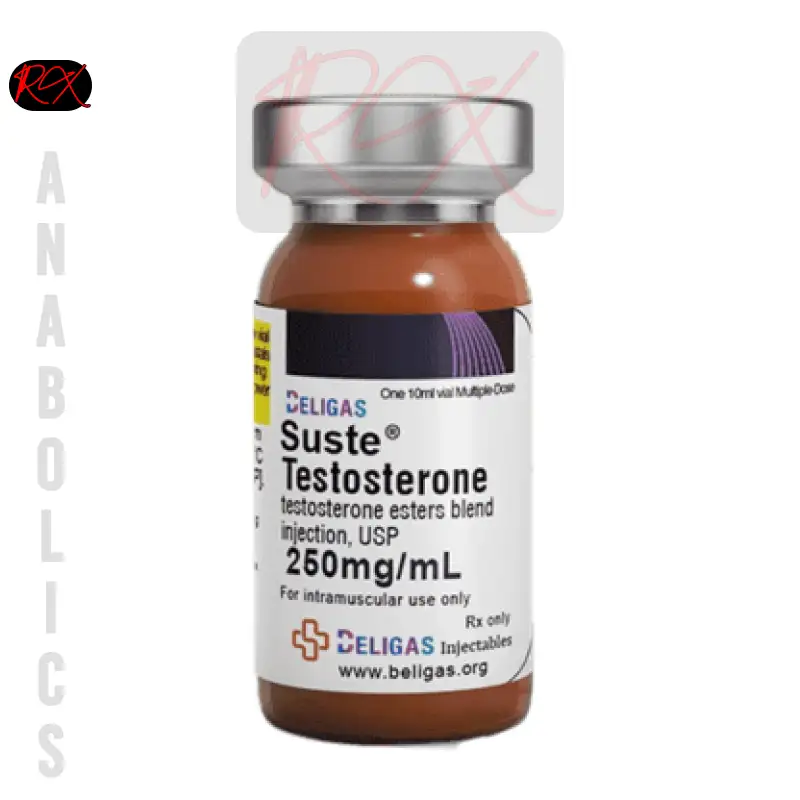
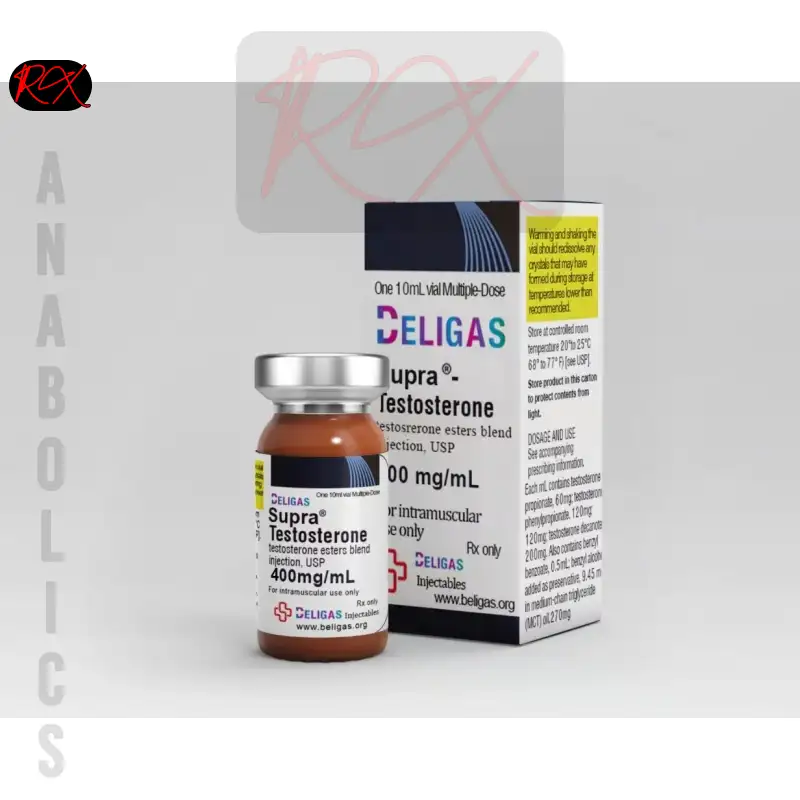

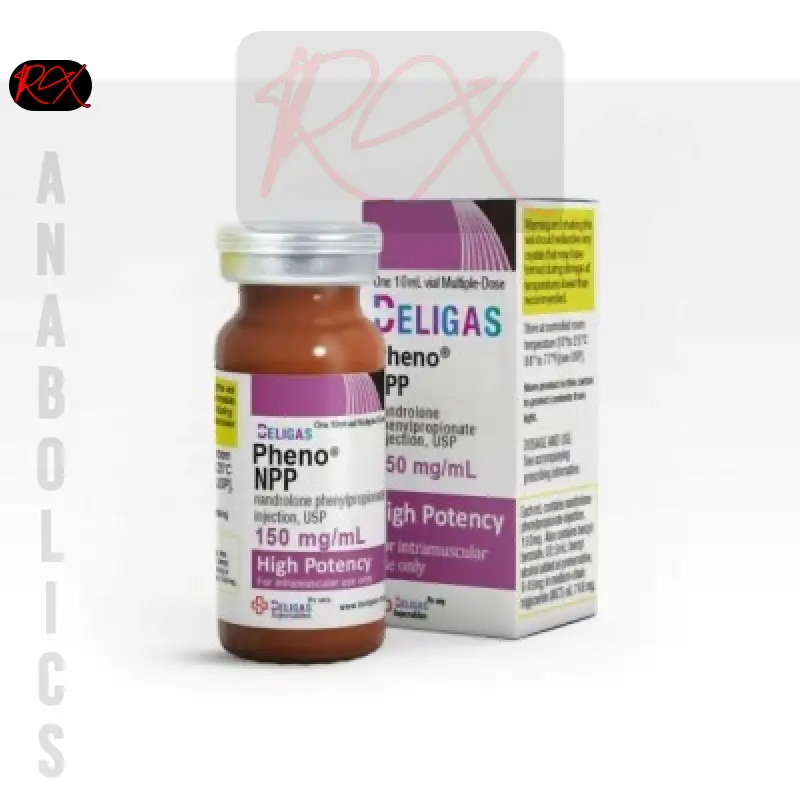
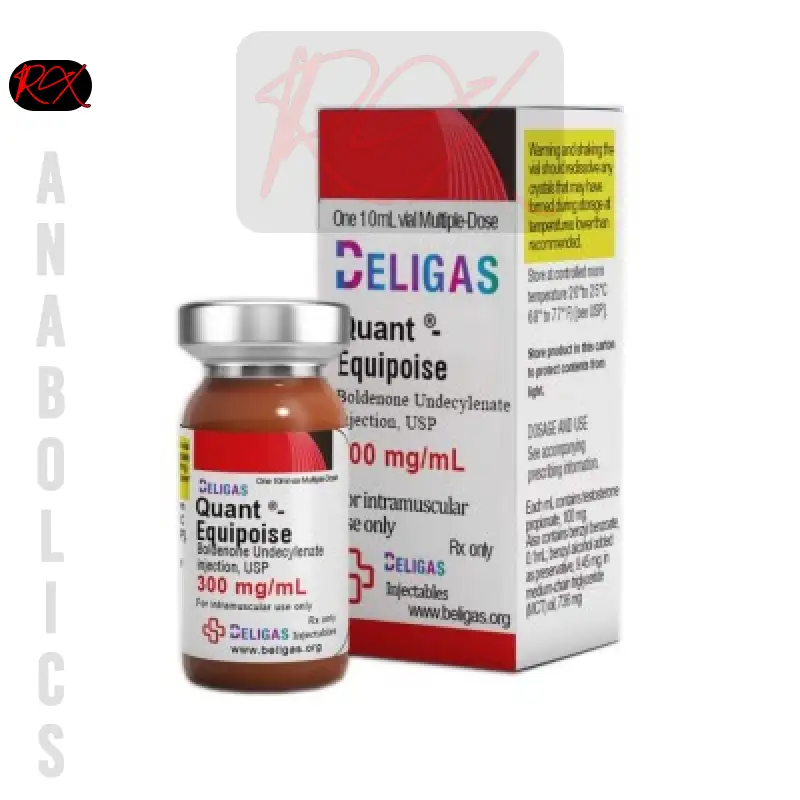
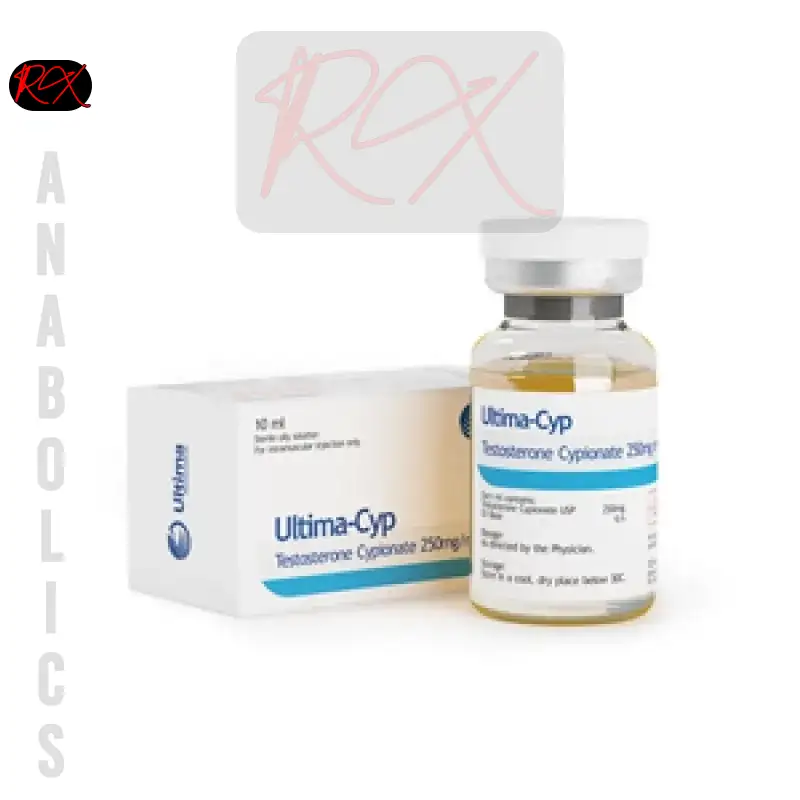
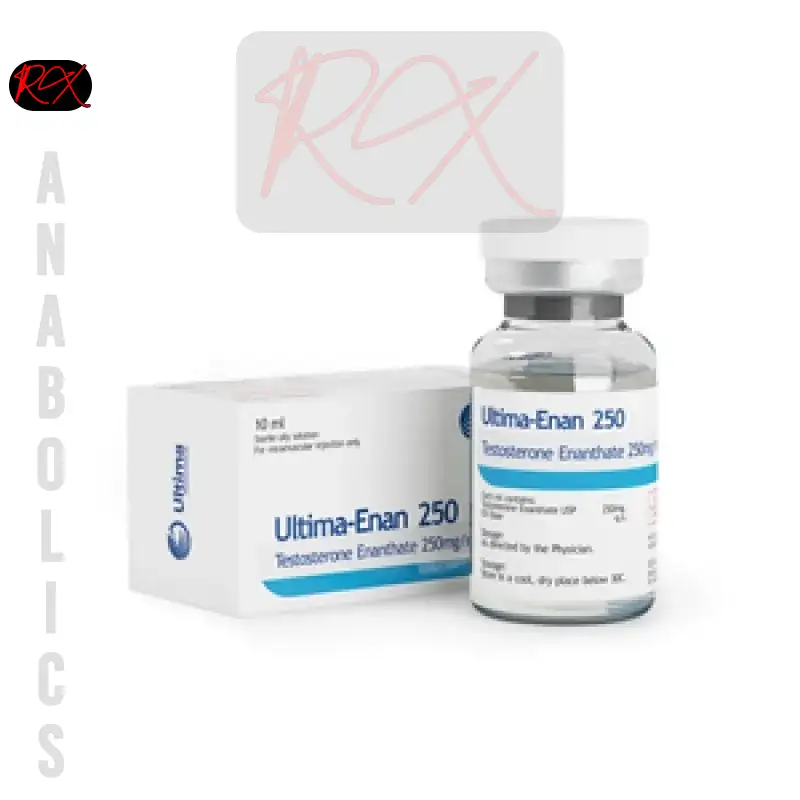
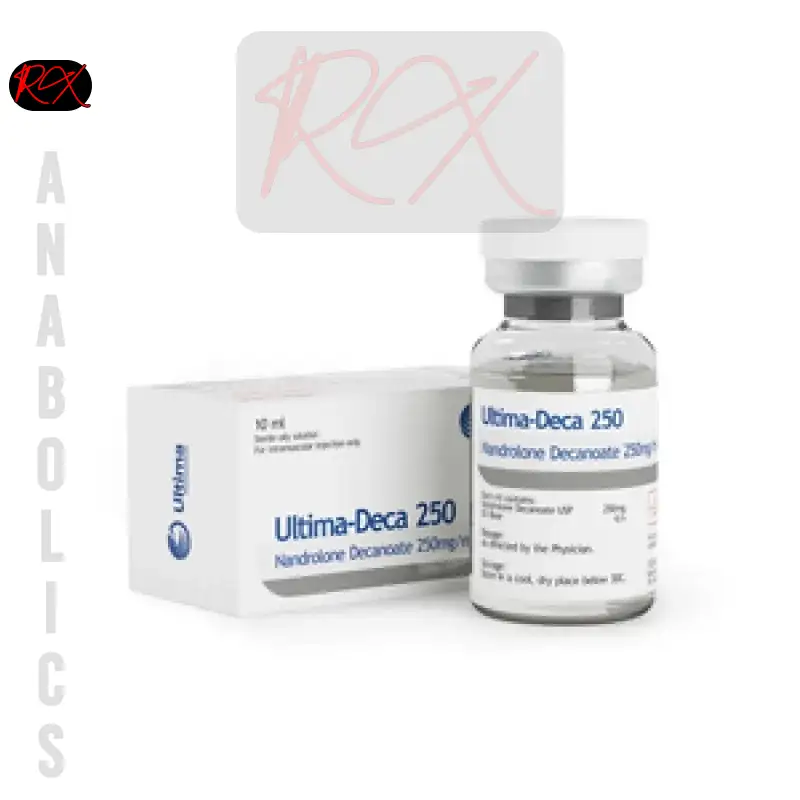
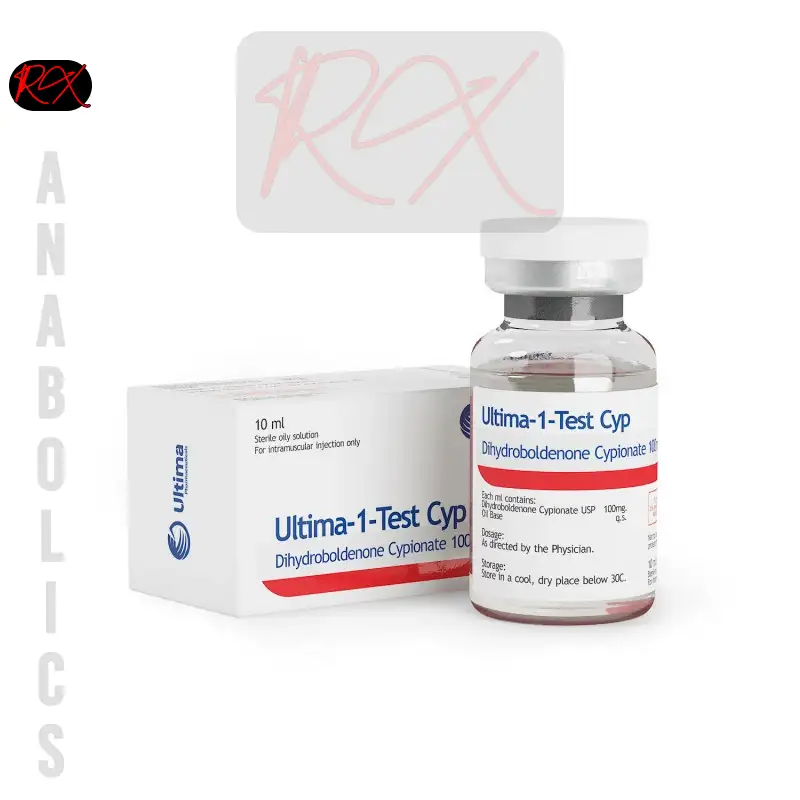

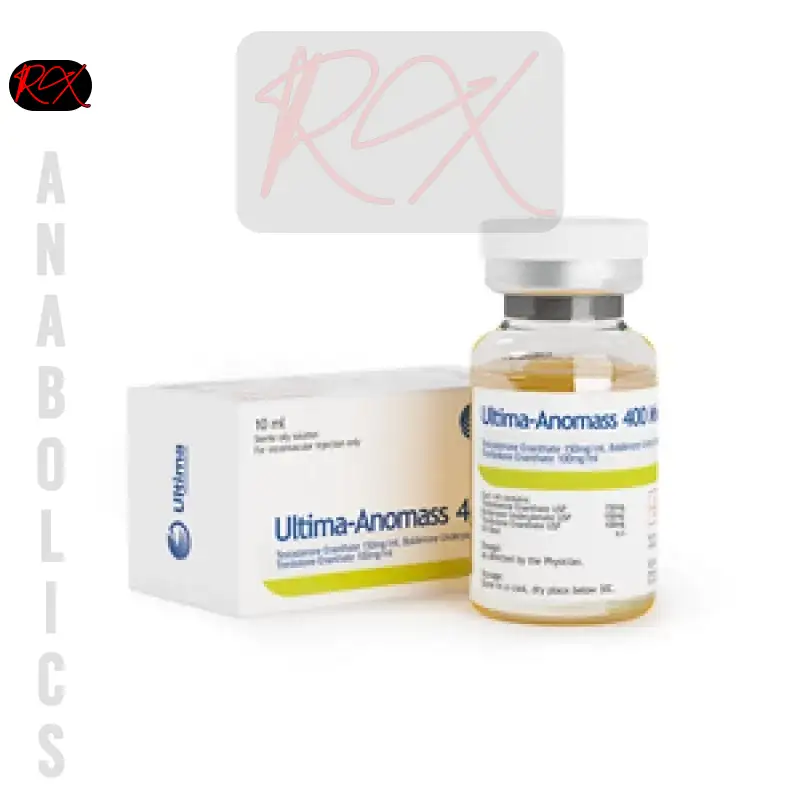


![TESTOSTERONE UNDECANOATE CAPSULES ( TESTOHEAL ) – 40MG / PER CAPSULE [10 CAPSULES]- HEALING PHARMA](/extrabox/img/product/protected_030625110304TESTOSTERONEUNDECANOATECAPSULESTESTOHEAL40MGPERCAPSULE10CAPSULESHEALINGPHARMA1510x510.webp)
![LETROZOLE (FEMARA) – 2.5 MG / PER TAB – HEALING PHARMA [30-TABLETS]](/extrabox/img/product/protected_03062506035010.webp)
![CABERMORE 0.5 ( CABERGOLINE TABLETS ) 0.5MG / PER TAB [ 4 TABLET PACK] – DR MOREPEN](/extrabox/img/product/protected_030625060336Carvbermore2510x510.webp)
![CABERGOLINE 1MG / PER TAB – JOHN LEE PHARMA [4 TABLETS PACK]](/extrabox/img/product/protected_0306250603566.webp)

![GENERIC VIAGRA (SILDENAFIL CITRATE 100MG) – CENFORCE FM 100MG (FOR FEMALES) [10 TABLETS]](/extrabox/img/product/protected_030725030326GENERICVIAGRASILDENAFILCITRATE100MGCENFORCEFM100MGFORFEMALES10TABLETS.webp)


![VIDALISTA – CIALIS (TADALAFIL CHEWABLE) 20MG / PER TAB – CENTURION LABS [10 TABLETS]](/extrabox/img/product/protected_030725030320VIDALISTACIALISTADALAFILCHEWABLE20MGPERTABCENTURIONLABS10TABLETS.webp)
![SILDENAFIL CITRATE 200MG (GENERIC VIAGRA) – CENFORCE [10 TABLETS]](/extrabox/img/product/protected_030725030358SILDENAFILCITRATE200MGGENERICVIAGRACENFORCE10TABLETS.webp)
![SILDENAFIL CITRATE 100 MG (GENERIC VIAGRA) – KAMAGRA GOLD [4 TABLETS PACK]](/extrabox/img/product/protected_030725030342SILDENAFILCITRATE100MGGENERICVIAGRAKAMAGRAGOLD4TABLETSPACKPrice20510x510.webp)


![SHILAJIT EXTRACT HERBAL SUPPLEMENT – [ 60 TABLETS ] – SHILAVITALS](/extrabox/img/product/protected_031125120313SHILAJITEXTRACTHERBALSUPPLEMENT60TABLETSSHILAVITALS510x510.webp)


![PURE HIMALAYAN SHILAJIT ( SHILAJIT IN RESIN FORM ) [ 20GM BOTTLE ] – BOLD CARE](/extrabox/img/product/protected_031125120345PUREHIMALAYANSHILAJITSHILAJITWITHFULVICACID20GMBOTTLEBOLDCARE510x510.webp)

![FRUITA VITALS DIETARY SUPPLEMENT – [90 CAPSULES] – SHILAVITALS](/extrabox/img/product/protected_031125120348Fruits2510x510.webp)

![ALOEVERA JUICE ( SUGAR FREE ) [ 32 FL.OZ – 960ML ] – BASIC AYURVEDA](/extrabox/img/product/protected_031125120339WhatsAppImage20250120at11.webp)
![ALOEVERA JUICE ( SUGAR FREE ) [ 16 FL.OZ – 480ML ] – BASIC AYURVEDA](/extrabox/img/product/protected_031125120302ALOEVERAJUICESUGARFREE16FL.webp)

![LIV.52 ( LIVER CLEANSER ) – HIMALAYA [ 100 TABLETS ]](/extrabox/img/product/protected_031125010332LIV.webp)

![IVERMECTIN ( IVERVID 12 ) 12MG / PER TABLET [ 10 TABLETS PACK ] – JEERIMA BIOCARE](/extrabox/img/product/protected_031125050313IVERVID122510x510.webp)
![IVERMECTIN ( IVERFRESH 12 ) 12MG / PER TABLET [ 10 TABLETS PACK ] – ORANGE CITY](/extrabox/img/product/protected_031125050349Iverfresh121510x510.webp)

![ZETIHEAL (EZETIMIBE) 10MG/PER TAB – [10 TABLETS] – HEALING PHARMA](/extrabox/img/product/protected_031125050353ZETIHEALEZETIMIBE10MGPERTAB10TABLETSHEALINGPHARMA510x510.webp)
![ROSUBEST (ROSUVASTATIN) 20MG / PER TAB – [10 TABLETS]- CADILA](/extrabox/img/product/protected_031125050309ROSUBESTROSUVASTATIN20MGPERTAB10TABLETSCADILA510x510.webp)
![LIPVAS (ATORVASTATIN) 10MG / PER TAB – [10 TABLETS] – CIPLA](/extrabox/img/product/protected_031125050300LIPVASATORVASTATIN10MGPERTAB10TABLETSCIPLA.webp)


![BEMPESTA (BEMPODIC ACID) 180MG / PER TAB – [10 TABLETS] – TORRENT](/extrabox/img/product/protected_031125060358BEMPESTA180MGPERTAB10TABLETSTORRENT1.webp)
![SAT-ISABGOL ( PSYLLIUM HUSK ) [ 100G POWDER BASED ] FOR CONSTIPATION – SIDHPUR](/extrabox/img/product/protected_031125060327SATISABGOLPSYLLIUMHUSK100GPOWDERBASEDFORCONSTIPATIONSIDHPUR510x510.webp)
![AYURVEDIC KAYAM TABLETS ( CHRONIC CONSTIPATION, ACIDITY , GAS HEADACE ) [ 30 TABLETS ] – SHETH BROS](/extrabox/img/product/protected_031125060358AYURVEDICKAYAMTABLETSCHRONICCONSTIPATIONACIDITYGASHEADACE30TABLETSSHETHBROS.webp)


![SAUNDARYA ALOE VERA GEL – 150ML (Pimples, Wrinkles & Glowing Fair Skin) [Face Wash] – Patanjali](/extrabox/img/product/protected_031225010324SAUNDARYAALOEVERAGELPIMPLESWRINKLESGLOWINGFAIRSKINFACEWASH150MLPATANJALI1.webp)
![PURIFYING NEEM FACE WASH (SOAP-FREE) – HIMALAYA [NEEM ● TURMERIC 150ML] + FREE GIFT: TOOTHPASTE 80G](/extrabox/img/product/protected_031225010343PURIFYINGNEEMFACEWASHSOAPFREENEEMTURMERIC150MLHIMALAYA1.webp)
![ACCUTANE (ISOTRETINOIN CAPSULES IP) 30 MG / PER TAB – HEALING PHARMA [10 TABLETS PACK]](/extrabox/img/product/protected_031225010306AccufineIsotropinCapsuleIP30mg510x510.webp)
![ACCUTANE (ISOTRETINOIN CAPSULES IP) 20 MG / PER TAB – HEALING PHARMA [10 TABLETS PACK]](/extrabox/img/product/protected_031225010340ACCUTANEISOTRETINOINCAPSULESIP20MGPERTABHEALINGPHARMA10TABLETSPACKPrice251510x510.webp)
![MINIMALIST 0.3% SERUM ( RETINOL ) [30ML BOTTLE] – MINIMALIST](/extrabox/img/product/protected_031225010333MINIMALIST0.webp)
![PREDNIHEAL ( PREDNISOLONE ) 10 MG / PER TAB [ 10 TABLETS ] – HEALING PHARMA](/extrabox/img/product/protected_031225020322PREDNIHEALPREDNISOLONE10MGPERTAB10TABLETSHEALINGPHARMA1510x510.webp)


![MINOXYTOP 10% (MINOXIDIL) [60ML BOTTLE ] HEALING PHARMA](/extrabox/img/product/protected_031225030347Minoxidil103510x510.webp)


![DUTANOL (DUTASTERIDE) 0.5MG / PER TAB – [10 TABLETS] – KNOLL](/extrabox/img/product/protected_031225030310DUTANOLDUTASTERIDE0.webp)


![R1 ROAR PRE WORKOUT (315G TUB ) [ PEACH MANGO ] – RULE ONE](/extrabox/img/product/protected_031225040328WhatsAppImage20241121at2.webp)
![NITRAFLEX KAOS PREWORKOUT [ PEACH PINEAPPLE ] GAT](/extrabox/img/product/protected_031225040339WhatsAppImage20241121at2.webp)

![TOTAL WAR PREWORKOUT [ STRAWBERRY KIWI ] – REDCON1](/extrabox/img/product/protected_031225040335WhatsAppImage20241121at2.webp)
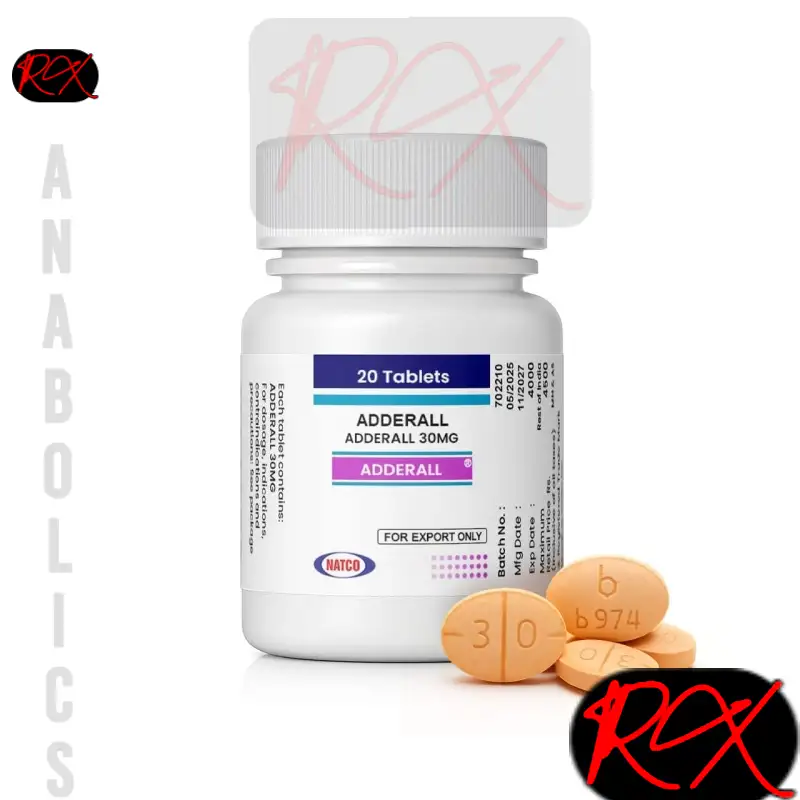
![HYDROCODONE (10 MG) AND ACETAMINOPHEN (325 MG) [ IMPRINT M367 ] ( 20 TABLETS PACK ) – NATCO](/extrabox/img/product/protected_032826010340photo.webp)

SECURE AND DISCREET INTERNATIONAL SHIPPING AVAILABLE



Pro-Clenbuterol 40mcg is a medication primarily used to treat respiratory conditions such as asthma and bronchitis. It is classified as a bronchodilator, which means it works by relaxing and opening up the airways in the lungs, allowing easier breathing for individuals with breathing difficulties.
Each pack of Pro-Clenbuterol contains 50 tablets, with each tablet containing 40mcg (micrograms) of the active ingredient, clenbuterol hydrochloride. This medication is available in tablet form for oral administration.
Clenbuterol is a selective beta-2 adrenergic agonist, meaning it specifically targets the beta-2 receptors found in the smooth muscles of the airways. By stimulating these receptors, clenbuterol causes the muscles to relax, leading to bronchodilation and improved airflow. This effect can provide relief to individuals experiencing symptoms of respiratory conditions such as wheezing, shortness of breath, and coughing.
Aside from its bronchodilator properties, clenbuterol also has a thermogenic effect, meaning it can increase the body's metabolic rate and promote fat burning. This has led to its off-label use as a weight loss aid and athletic performance enhancer. However, it is important to note that the use of clenbuterol for these purposes is not approved by regulatory authorities and can carry significant health risks.
When using Pro-Clenbuterol, it is crucial to follow the prescribed dosage instructions provided by your healthcare professional. The dosage may vary depending on the severity of your condition and your response to the medication. It is typically recommended to start with a low dose and gradually increase it if necessary. It is important not to exceed the recommended dosage to avoid potential side effects.
Like any medication, Pro-Clenbuterol can have side effects. Common side effects may include tremors, increased heart rate, palpitations, headaches, insomnia, muscle cramps, and sweating. These side effects are usually mild and transient but should be reported to your healthcare provider if they persist or worsen.
It is important to note that clenbuterol is a controlled substance in many countries and is subject to restrictions and regulations. It is crucial to use it only under the guidance of a healthcare professional who can monitor your condition and ensure its safe and appropriate use.
In summary, Pro-Clenbuterol 40mcg is a medication used for the treatment of respiratory conditions like asthma and bronchitis. It works by relaxing the airway muscles to improve breathing. It is available in tablet form and should be used under medical supervision. Remember to follow your healthcare professional's instructions and report any side effects experienced during the treatment.

In the dim light of a crowded gym locker room, a 24-year-old amateur bodybuilder named Mark holds a vial of clear liq...

In the fitness world, whispers about anabolic steroids often swing between two extremes: the...
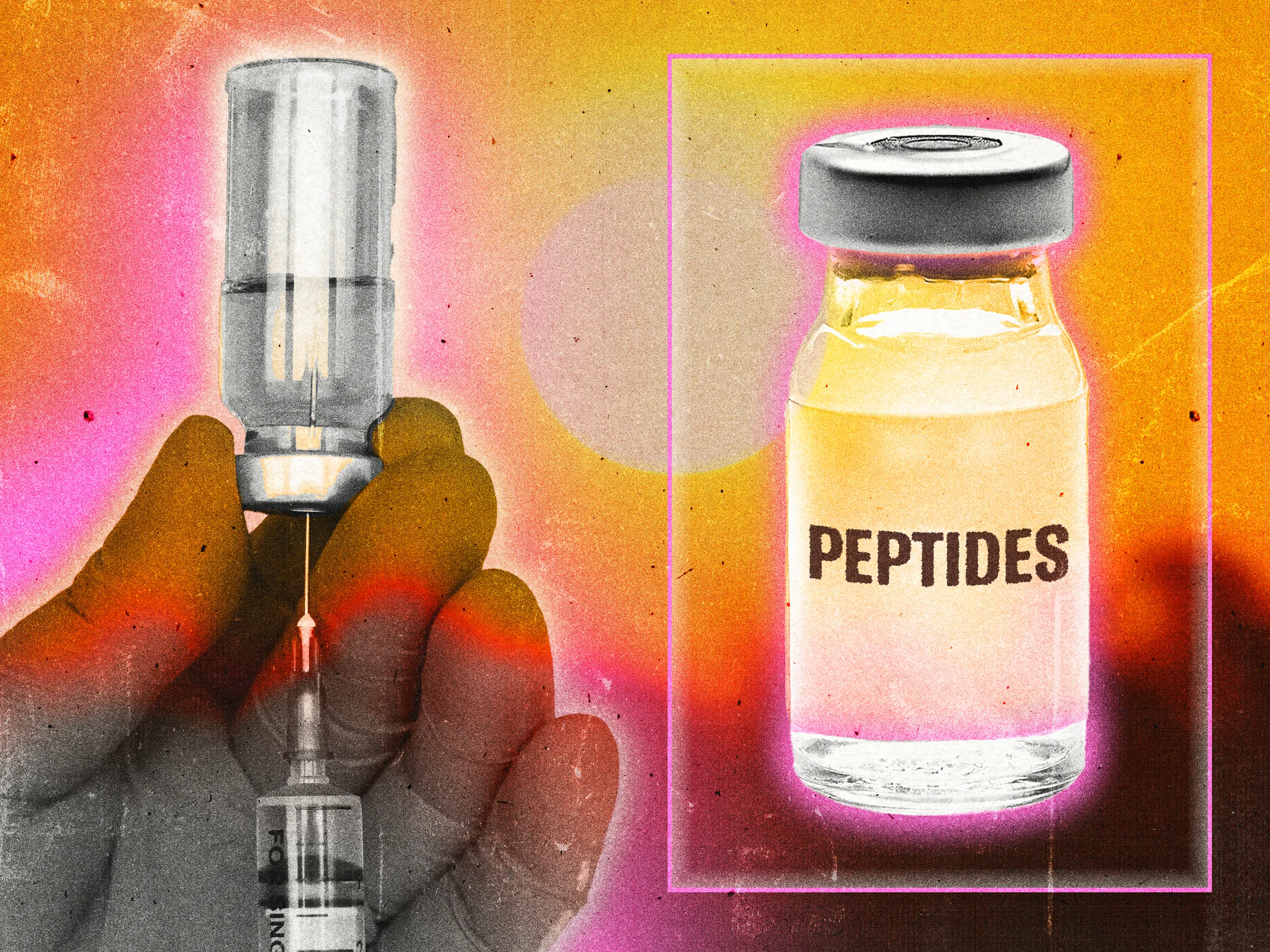
In the fitness and biohacking world, peptides are celebrated for their regenerative power, y...
With several years of experience, we are satified by the overflow of our clients joy towards our services. We thank you all!
**Liothyronine (L-T3): A Comprehensive Overview**
Introduction:
Liothyronine, also known as L-T3, is a synthetic form of the hormone triiodothyronine (T3), which is naturally produced by the thyroid gland. It is primarily used in the treatment of hypothyroidism, a condition characterized by an underactive thyroid gland. L-T3 is a potent medication that provides a direct supply of T3 to the body, helping to restore normal thyroid hormone levels. In this detailed description, we will explore the various aspects of Liothyronine, including its mechanism of action, indications, dosage, side effects, and precautions.
Mechanism of Action:
Liothyronine exerts its effects by binding to the nuclear thyroid hormone receptors in the body's cells, activating gene transcription and protein synthesis. It increases the basal metabolic rate, enhances protein synthesis, and promotes the utilization of carbohydrates and fats for energy. By doing so, L-T3 regulates various physiological processes, including growth, development, metabolism, and thermoregulation.
Indications:
Liothyronine is primarily prescribed for the treatment of hypothyroidism, a condition characterized by low levels of thyroid hormones in the body. It is also used in certain cases of thyroid cancer, goiter, and thyroid hormone replacement therapy. Additionally, L-T3 is sometimes utilized off-label for the treatment of depression, obesity, and chronic fatigue syndrome.
Dosage and Administration:
Liothyronine is available in tablet form for oral administration. The dosage may vary depending on the patient's age, weight, and the severity of their condition. Typically, the initial dose ranges from 25 to 50 micrograms per day, which is then adjusted based on individual response and laboratory results. It is important to follow the prescribed dosage and consult a healthcare professional before making any changes.
Side Effects:
Like any medication, Liothyronine can cause certain side effects, although not everyone experiences them. Common side effects may include increased heart rate, palpitations, tremors, nervousness, insomnia, sweating, heat intolerance, and diarrhea. These side effects are usually temporary and subside as the body adjusts to the medication. However, if any severe or persistent side effects occur, it is important to seek medical attention promptly.
Precautions:
Liothyronine should be used with caution in individuals with certain medical conditions. Patients with cardiovascular disease, such as angina, arrhythmias, or hypertension, should be carefully monitored while taking L-T3. It is also important to inform your healthcare provider if you have diabetes, adrenal insufficiency, or any other endocrine disorders, as the dosage of Liothyronine may need to be adjusted. Additionally, pregnant or breastfeeding women should consult their healthcare provider before starting L-T3.
Drug Interactions:
Liothyronine may interact with other medications, affecting their efficacy or increasing the risk of adverse effects. Drugs such as anticoagulants, beta-blockers, antidepressants, and certain diabetes medications may interact with L-T3. Therefore, it is crucial to inform your healthcare provider about all the medications, supplements, and herbal products you are currently taking to avoid any potential drug interactions.
Monitoring and Follow-Up:
Regular monitoring of thyroid function is essential while taking Liothyronine. Blood tests are performed to assess the levels of thyroid hormones, including T3, T4, and thyroid-stimulating hormone (TSH). Adjustments to the dosage of L-T3 may be made based on these laboratory results. It is important to attend follow-up appointments and communicate any concerns or changes in symptoms to your healthcare provider.
Conclusion:
Liothyronine (L-T3) is a synthetic form of the hormone triiodothyronine, primarily used for the treatment of hypothyroidism. It acts by supplementing the body with T3, regulating various physiological processes. When used as prescribed, L-T3 can effectively restore thyroid hormone levels and alleviate the symptoms of hypothyroidism. However, it is crucial to follow the recommended dosage, monitor for side effects, and seek medical advice when necessary. By doing so, patients can benefit from the therapeutic effects of Liothyronine and improve their overall well-being.


We remain faithful to serve you the best quality products out there.